


- 1. Key Takeaways: What to Know Before You Plan
- 2. How We Chose the Top Cloud Computing Trends
- 3. 1. AI Workloads Move to the Cloud (and Agents Follow)
- 4. 2. FinOps Becomes a Standing Practice
- 5. 3. Hybrid and Multi-Cloud Become the Default
- 6. 4. Sovereign Cloud Moves Into the Mainstream
- 7. 5. Security Shifts Left and Becomes Continuous
- 8. 6. Edge Computing Gets Practical
- 9. 7. Cloud-Native and Serverless Development Keep Growing
- 10. Quick Comparison of the Top Cloud Computing Trends
- 11. How Boomdevs Fixes Cloud Cost and Complexity
- 12. Frequently Asked Questions
- 13. Where to Go From Here
Summarize with
Your cloud bill keeps climbing, and your roadmap keeps filling with AI requests. Every sales deck you open promises a different future.
These are the top cloud computing trends to watch in 2026, and you’ll find seven of them here. Each one comes from analyst data or primary research, not sales hype.
We chose them for what they change in your budget and your build plans. If three or four match problems you already have, start with those.
Key Takeaways: What to Know Before You Plan
- AI is now a cloud workload. Flexera’s 2026 survey found 58% of organizations use generative AI services in the public cloud.
- Cost control is a business question. Cloud waste rose to 29%, so FinOps is moving from a side project to a standing practice.
- Where your data lives matters more. Gartner expects sovereign cloud spending to hit $80 billion in 2026.
- Hybrid is the default. 73% of organizations already run hybrid environments.
How We Chose the Top Cloud Computing Trends
A trend made the list only if it changes a decision you’ll make this year: what you build, where you host it, or what you pay for it. We leaned on Gartner and Flexera, then checked what several current industry roundups cover to avoid gaps.
Trends that stayed vague, or that had no evidence behind them, didn’t make the cut. When a trend had no solid figure, we describe it without one.
1. AI Workloads Move to the Cloud (and Agents Follow)
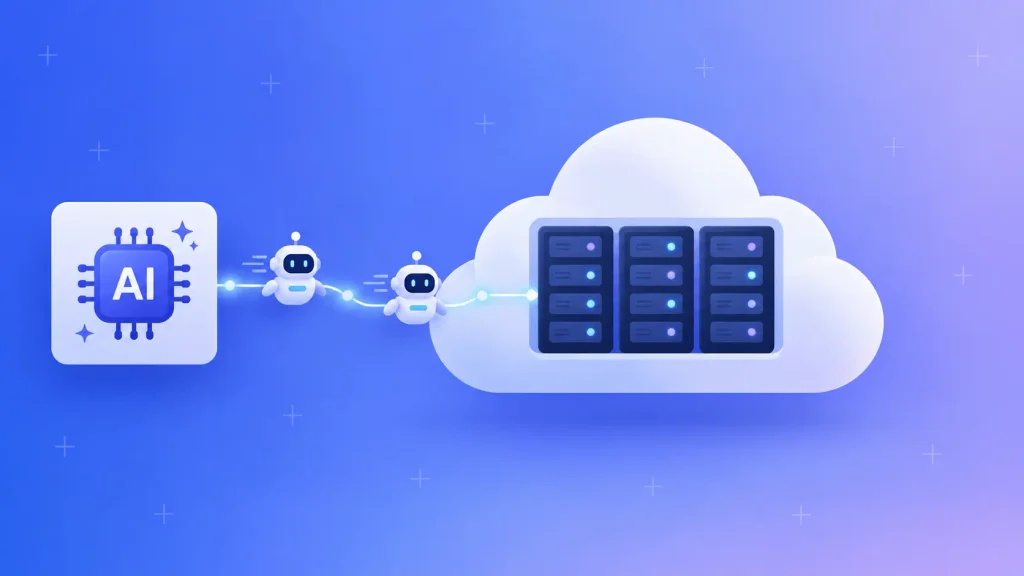
AI has become one of the main reasons teams spend more on the cloud. Flexera’s 2026 State of the Cloud report found generative AI adoption rose to 58%, up from 50%, making it the third most widely used public cloud service.
The money follows. Gartner’s July 2026 forecast puts infrastructure-as-a-service spending at $287 billion in 2026, up 29.3%.
What It Means for Your Roadmap
You don’t need a research lab to benefit. Most teams start with a narrow use case, such as support automation or document search, and grow from there.
- Start with one workflow: pick a process where a wrong answer is cheap and a right one saves real hours.
- Plan for security early: Flexera lists security and compliance as the top concern for cloud-based AI initiatives.
- Budget for usage, not just launch: AI features cost money every time someone uses them.
If you’re weighing where AI fits in your product, our AI development services cover agents, chatbots, and custom models. And if you’re still choosing a partner, this guide to choosing an AI consultancy shows what to ask.
2. FinOps Becomes a Standing Practice
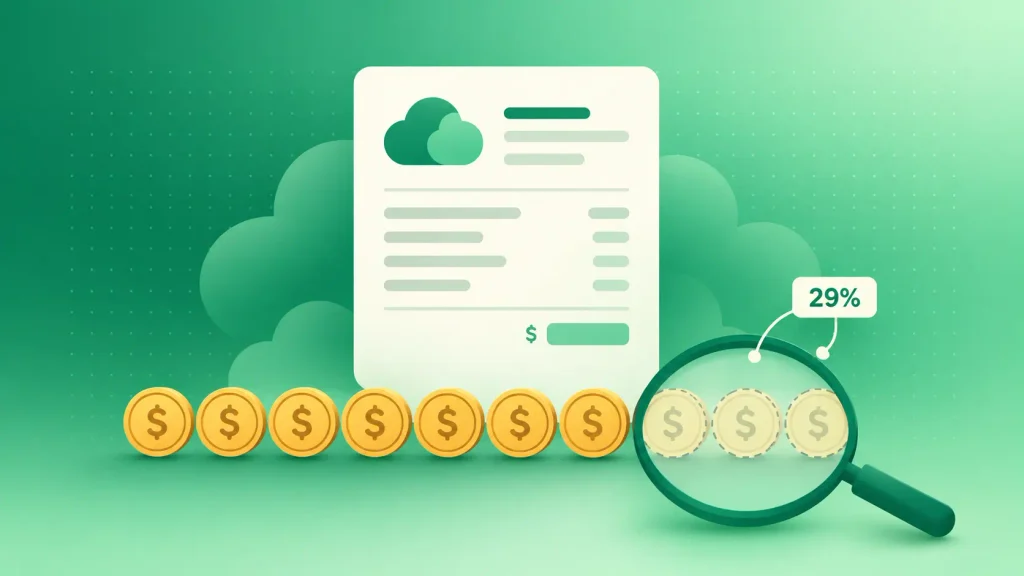
Cloud waste went up in 2026 for the first time in five years. Flexera puts it at 29%, which means roughly three of every ten dollars you spend may buy nothing useful.
That’s why the conversation is shifting from “how do we spend less” to “what are we getting for it.” Flexera found 64% of organizations now rank value delivered to business units as their top cloud success metric, up 12 points from last year.
- Dedicated teams: 63% of organizations rely on a dedicated FinOps team.
- Unit economics: 49% now measure cost per service, up from 40%.
- Shared ownership: finance, engineering, and product look at the same bill.
You can begin small. Tag every resource to an owner and review the bill monthly with the people who built the thing. Those two habits catch more waste than most tools do.
3. Hybrid and Multi-Cloud Become the Default
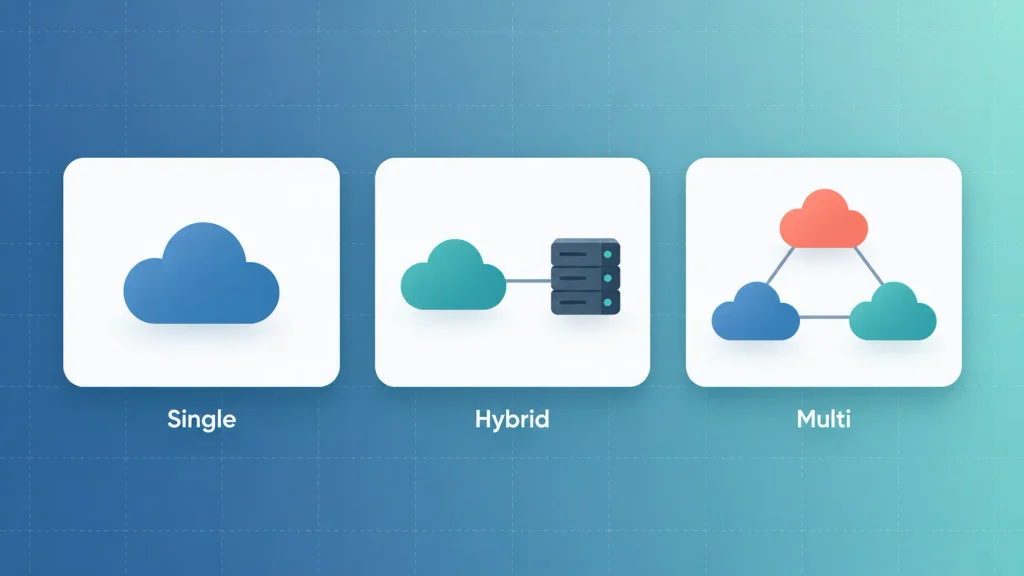
Few organizations commit to one environment anymore. Flexera reports 73% use hybrid cloud, mixing public and private infrastructure.
The reasons are practical: compliance rules for some data, performance needs for some apps, and a wish to avoid depending on one provider.
The Trade-Off You’ll Pay For
More environments mean more to secure, monitor, and staff. Multi-cloud works best when you have a clear reason for each platform, not when it grows by accident.
| Approach | Best for | Watch out for |
| Single public cloud | Early-stage products, small teams | Provider dependence |
| Hybrid cloud | Regulated data, legacy systems | Integration complexity |
| Multi-cloud | Resilience, best-fit services | Skills and tooling sprawl |
Most growing companies sit in the middle row. The question is rarely “which one,” and usually “which workloads go where.”
4. Sovereign Cloud Moves Into the Mainstream
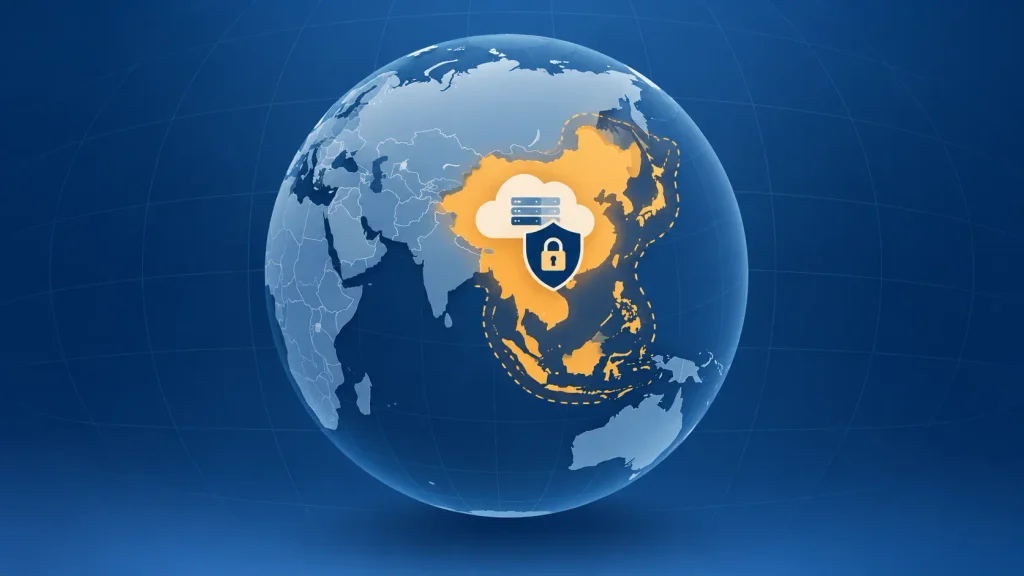
Sovereign cloud means keeping data and operations under the legal control of a specific country or region. It used to be a government concern. Now it reaches any company that sells into regulated markets.
Gartner’s sovereign cloud forecast expects worldwide spending to reach $80 billion in 2026, a 35.6% rise from 2025. It also expects 20% of current workloads to shift from global to local providers.
- Who buys first: governments, followed by regulated industries and critical infrastructure such as energy and telecommunications.
- Fastest growth: Gartner projects the Middle East and Africa at 89%, mature Asia/Pacific at 87%, and Europe at 83%.
If you serve customers in healthcare, finance, or the public sector, it’s worth asking early where their data has to live. Retrofitting that answer later is expensive.
5. Security Shifts Left and Becomes Continuous
Security is moving out of the final review and into the build process. Teams that treat it as a late checkpoint tend to find problems when they’re slowest and costliest to fix.
In practice, that means automated scanning in your delivery pipeline, tight control over who can access what, and the same policies across every environment you run. The more clouds you use, the more this matters.
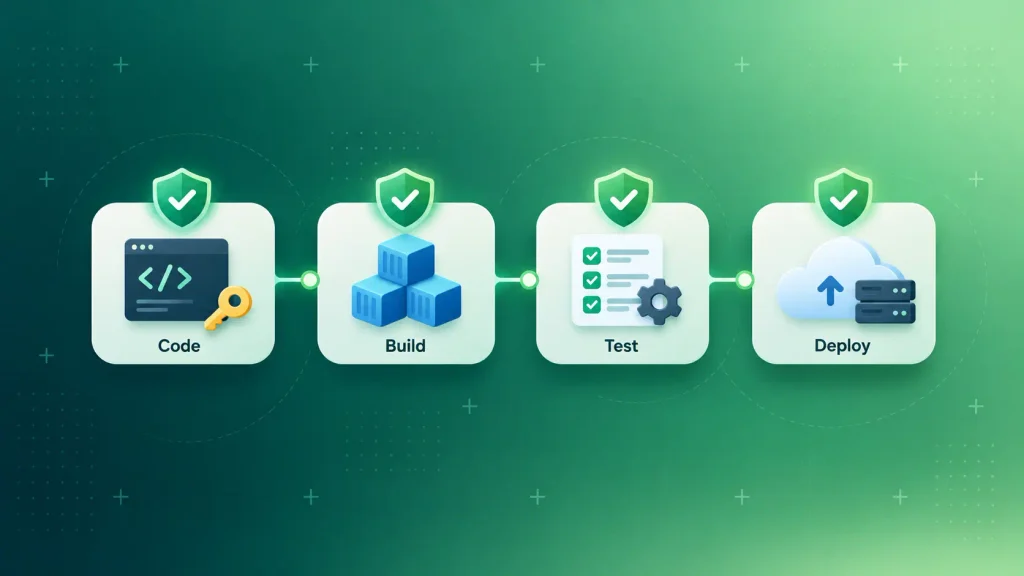
- Identity first: manage access by role and review it on a schedule.
- Policy as code: apply the same rules across public, private, and edge environments.
- Encrypt in transit and at rest: including data moving between clouds.
Treating this as a design choice, not a clean-up job, usually costs less in the long run.
6. Edge Computing Gets Practical
Edge computing processes data close to where it’s created, instead of sending everything to a distant data center. You’ll see it where a delay of a second is a real problem, such as logistics tracking, factory equipment, and connected devices.
It rarely replaces the cloud. It sits beside it: the edge handles quick decisions, and the cloud handles storage, analytics, and model training.
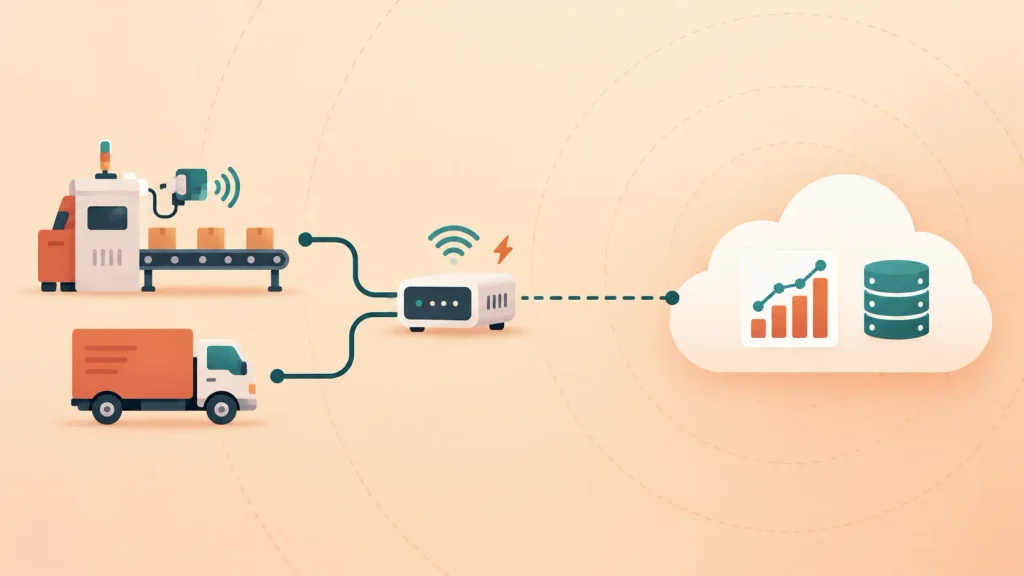
- Good fit: real-time monitoring, local processing with patchy connectivity, bandwidth-heavy video or sensor data.
- Poor fit: ordinary business apps where a normal round trip to the cloud is fast enough.
If you can’t name the specific delay or bandwidth cost you’re trying to remove, you probably don’t need it yet.
7. Cloud-Native and Serverless Development Keep Growing
Cloud-native development means building software to run well in the cloud from day one: small services, containers, and automated deployment. Serverless takes that further by letting the provider manage servers while you pay for what runs.
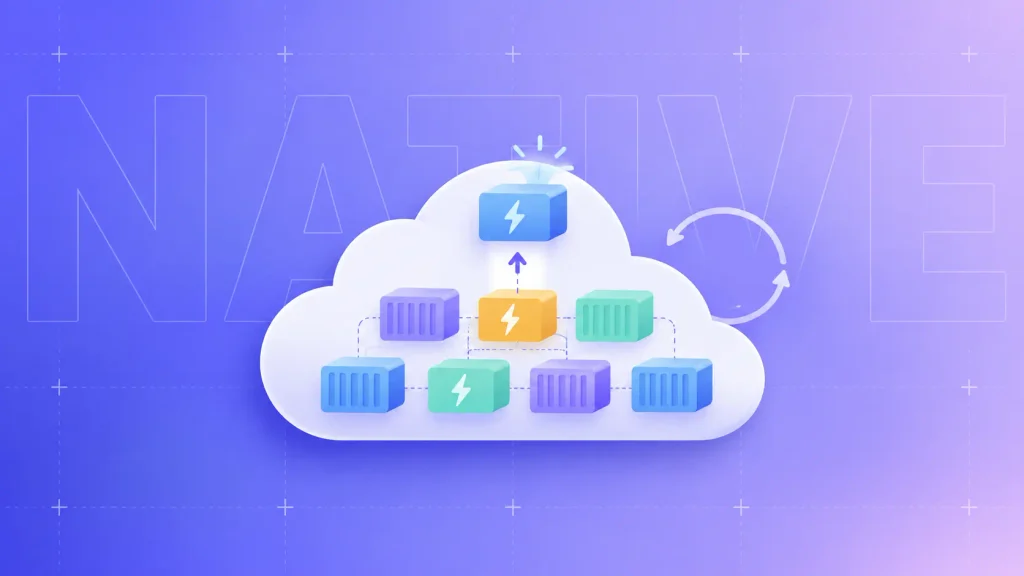
The appeal is speed and flexibility. You can ship and scale pieces of a product independently.
- Where it shines: spiky traffic, event-driven features, and products that change often.
- Where it bites: steady, heavy workloads can cost more than a simple always-on setup, and debugging spread-out services takes practice.
Whether you’re building something new or modernizing something old, the architecture you pick sets your cost curve for years. Our custom software development team designs for that from the start.
Quick Comparison of the Top Cloud Computing Trends
Here’s how the seven trends line up, so you can see which ones deserve your attention first.
| Trend | Biggest benefit | Main risk |
| AI workloads | New product capability | Usage costs and security |
| FinOps | Less waste, clearer value | Needs cross-team habits |
| Hybrid and multi-cloud | Flexibility and resilience | Complexity |
| Sovereign cloud | Compliance in regulated markets | Higher cost, fewer options |
| Continuous security | Fewer late surprises | Tooling and training effort |
| Edge computing | Low latency | Hard to manage at scale |
| Cloud-native and serverless | Speed and scalability | Cost drift, debugging |
Few companies need all seven. Match them to your biggest pain, and let the rest wait.
How Boomdevs Fixes Cloud Cost and Complexity
Many cloud problems start as planning problems: the wrong architecture, no cost owner, or security added last. Boomdevs’ cloud development services cover cloud strategy, migration, cloud-native builds, DevOps, security, multi-cloud setups, and cost optimization.
If you’re not sure which trend deserves your budget first, you can book a free consultation to map your cloud priorities with a senior team that has delivered 3.5K+ projects.
Frequently Asked Questions
What Are the Top Cloud Computing Trends in 2026?
The biggest ones are AI workloads in the cloud, FinOps, hybrid and multi-cloud setups, sovereign cloud, continuous security, edge computing, and cloud-native or serverless development. Which matter most depends on your size, industry, and where your costs are rising.
Is Cloud Computing Still Growing in 2026?
Yes. Gartner forecasts infrastructure-as-a-service spending of $287 billion in 2026, up 29.3%, driven largely by AI infrastructure demand.
What Is Sovereign Cloud?
Sovereign cloud keeps data and operations under the legal control of a specific country or region. Gartner expects governments to be the main buyers, followed by regulated industries.
What Is FinOps?
FinOps is a practice where finance, engineering, and business teams manage cloud spending together. The goal is to make sure each dollar you spend delivers measurable value.
Should You Use One Cloud or Several?
A single cloud is simpler and often right for early products. Hybrid or multi-cloud makes sense when you have compliance needs, performance needs, or a real reason to avoid depending on one provider.
Where to Go From Here
You don’t have to act on every trend this quarter. Pick the one tied to your most expensive or risky problem, and run a small, measurable experiment.
When you’re ready to turn a trend into a plan, talk to Boomdevs about your cloud roadmap and get a clear, scoped next step.